
Dental caries or tooth decay is one of the most common oral health problems. While it has several risk factors, one of them is an inadequate supply of fluoride – a mineral that helps strengthen the enamel and prevent the development of cavities.
Fluoride varnish is a dental treatment that involves the topical application of the mineral on the teeth to help protect them from cavities. Not only is it applied on the baby teeth of children, but it can also be beneficial for permanent teeth, as well as for adults, particularly those who are at a higher risk of tooth decay.
What Is A Fluoride Varnish?
Typically containing sodium fluoride as its active ingredient, fluoride varnish is a gel substance that is professionally painted to the surface of the teeth. The application of this varnish results in the release of fluoride, which, in turn, helps protect the teeth.
While the varnish itself is brushed off, the effects of this treatment can last for quite a few months. Still, it is not permanent, which is why you might be recommended to have another session after 6 months (twice a year).
It should be noted that even though this treatment can provide extra safeguarding for cavities, it is not a substitute for a proper oral hygiene routine, which includes brushing your teeth twice a day and flossing.
What Are The Benefits Of Fluoride Varnish?
Fluoride varnish treatment can be beneficial in the following ways:
- It can help in the remineralisation of the enamel (the hard, protective outer barrier of the tooth) and make the teeth stronger.
- It can help in the management of tooth sensitivity.
- It can keep tooth decay in check for those who are more vulnerable to it (e.g. older adults, those with xerostomia/dry mouth, diabetes, or GERD, or someone getting orthodontic treatment)
Since tooth decay can damage the structure of the tooth or even lead to the loss of the tooth, you might end up needing expensive restorative treatments like dental crowns and implants. Therefore, as a preventative treatment, a fluoride varnish can also be cost-saving in the long run.
How Is Fluoride Varnish Applied?
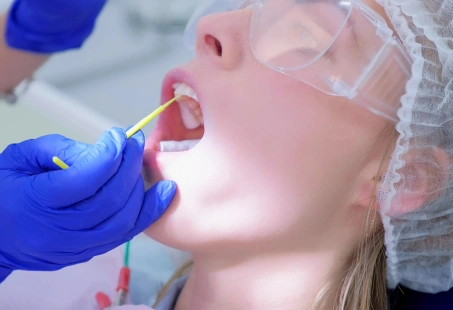
Fluoride varnish should be applied in a professional setting by a qualified medical provider. The procedure is rather simple and fairly quick as it usually takes less than 5 minutes. It may go as follows:
- The teeth are cleaned and dried with cotton.
- A sticky gel of fluoride varnish is painted over the teeth with the help of a brush.
- Once it gets in touch with the saliva, the gel hardens and sets on the teeth.
The varnish can have a sweet or fruity taste. And since it’s simply brushing a gel on the teeth’s surface, it does not cause any pain either.
How Long To Leave Fluoride Varnish On Teeth?
Your dentist may advise you against brushing and flossing your teeth until the next morning or at the very least, you may be asked to avoid it for around 4 hours. Since the aftercare advice can vary, make sure to consult your own practitioner.
When and What Can You Eat And Drink After Fluoride Varnish?
You might have to wait for 30 minutes before you can eat soft foods or drink after getting fluoride varnish. After the treatment, your dentist may advise against eating foods that are hot, hard, and sticky as they can affect the varnish. You might also have to avoid chewy foods for about 4 hours. Make sure to ask your dentist when you can eat certain foods and what they recommend in the meantime.
How Many Times A Year Can You Apply Fluoride Varnish?
Fluoride varnish may be recommended 2-4 times a year, once every 6 months or 3 months. However, the number of treatments will be determined by your practitioner depending on how vulnerable your teeth are to cavities.
What Is The Downside Of Fluoride Varnish Treatment?
One of the more noticeable downsides of fluoride varnish can be the temporary change in the colour of the tooth. The gel can make the teeth look yellow, but it’s not a long-lasting problem as the original colour of the teeth is restored once you brush your teeth.
Another potential issue that can arise with the application of fluoride varnish is the development of an allergic reaction. Those who have a history of allergy to any of the ingredients present in the varnish or have asthma might not be considered suitable for this treatment.
Additionally, it is important to be careful about the overall intake of fluoride, as excessive consumption can cause dental fluorosis, which can result in the formation of white spots on the teeth. After you’ve gotten a varnish, aftercare instructions can include avoiding any gels, tablets or drops of fluoride for a certain period of time.
How Much Does Fluoride Varnish Cost?
Fluoride varnish is a relatively inexpensive treatment and can cost you around £30 or so. You can get it privately, although it’s also available in Band 1 of the NHS, which is priced at £26.80
Conclusion
Fluoride varnish is a simple, non-invasive and effective treatment for the prevention of dental cavities. It’s also quite affordable, and by keeping the teeth protected, it can save you money in the long run. If you are considering getting it done for yourself or your child, make sure to get in touch with a qualified dental professional.
Reviewed and approved by Dr Izbel
FAQ
Can you sleep with fluoride varnish on your teeth?
You may be advised to sleep with the fluoride varnish and brush it off the next morning, however, you must ask your dentist for advice.
Who is fluoride varnish not suitable for?
Fluoride varnish might not be suitable for someone who has asthma or might be at risk of getting an allergic reaction from it. Additionally, it might not be recommended for those who have inflammation of the mouth (stomatitis), a type of gum infection called ulcerative gingivitis, or any other infectious illness.
Can you apply fluoride varnish at home?
You should not DIY fluoride varnish at home. It’s important that you get it in a professional setting, where a medical practitioner will first assess your suitability for the treatment.
How to remove fluoride varnish from teeth?
There’s no special technique or protocol for removing fluoride varnish from the teeth. You only need to brush your teeth to do so.
Is fluoride varnish safe?
Fluoride varnish is generally considered a safe treatment that can help protect the teeth against cavities or even stop them from worsening. Although, it is important that you follow the aftercare advice of your dentist.
